

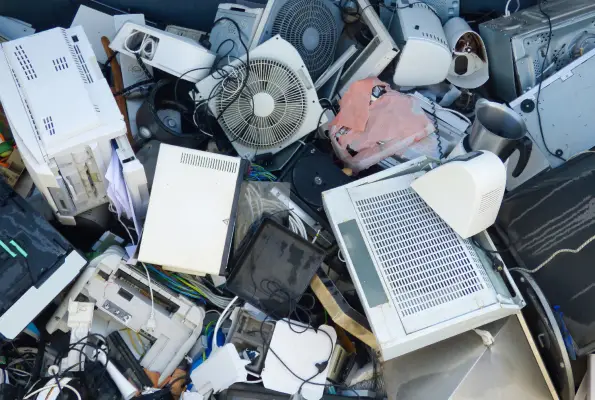
We have spent the last fifty years perfecting the durability of electronics. We engineered silicon chips to withstand heat, cold and time. We encased them in fibreglass and epoxy resins that are nearly indestructible. The result is a global crisis.
We generate fifty million tonnes of electronic waste every year. Our gadgets are designed to last for centuries, but we use them for eighteen months. We are building monuments to our obsolescence that will pile up in landfills long after we are gone.
The next great leap in technology is not about making things last longer. It is about making them disappear. A new field known as transient electronics is emerging. The goal is to create devices that function perfectly for a defined period and then dissolve into nothingness when triggered.
Imagine a smart label on a shipping container that tracks temperature and then composts along with the cardboard box. Imagine a sensor implanted in the body to monitor post-surgery healing that melts away harmlessly once the patient recovers.
This is not science fiction. Startups and researchers are already producing the components. They are replacing the toxic permanence of standard electronics with materials that mimic the cycle of nature. They are designing for decay.
The philosophy is a radical departure from the industry standard. It challenges the assumption that high-tech must mean synthetic and toxic. It suggests that the most advanced technology is the one that leaves no trace.
From Silicon To Silk And Wood
The alchemy of transient electronics relies on replacing traditional materials with biological alternatives. The standard printed circuit board or PCB is a sandwich of fibreglass, copper, and plastic. It is a nightmare to recycle.
Companies like Jiva Materials are proving that you can replace that fibreglass with natural fibres derived from flax or wood. Their product, Soluboard, dissolves in hot water. The polymer binds the fibres together during use but releases them during recycling, allowing the valuable metal components to be filtered out and reused.
At the chip level, the innovation is even more startling. Researchers have developed transistors using silk proteins and magnesium. Magnesium is a conductive metal, but it is also a nutrient that the body can absorb. Silicon nanomembranes can be made thin enough to dissolve in water over time.
There are even chips being developed on substrates made of cellulose nanofibril paper, effectively computer chips made of wood. Others are growing substrates from fungal mycelium skins.
These materials perform a delicate dance. They must be robust enough to conduct electricity and withstand the heat of operation, but fragile enough to break down under the right conditions. Conductive inks made from silver nanoparticles or carbon can now be printed directly onto paper or compostable films. This allows for the creation of “papertronics.” You can print a circuit as easily as you print a newspaper. When the device is dead, you do not need a specialised e-waste facility. You might just need a compost bin.
The Internet Of Disposable Things
The business case for this technology is not to replace the processor in your high-end gaming laptop. It is to enable the “Internet of Disposable Things.” As we put chips into everything (from clothing tags to milk cartons to medical patches), the volume of waste becomes unmanageable if we stick to silicon and plastic. Transient electronics solve this.
Companies like “PragmatIC Semiconductor” are producing flexible integrated circuits that cost a fraction of traditional silicon and have a minimal carbon footprint. These flexible chips can be embedded in packaging to provide item-level intelligence. A bottle of medicine could talk to your phone to remind you of a dosage, and then the bottle and the chip could be recycled together.
This shifts the economic model of electronics. It moves us away from the idea that a chip is a precious capital asset. It treats computing power as a utility that can be printed on demand and discarded without guilt. It aligns the lifespan of the hardware with the lifespan of the application.
If a smart bandage only needs to work for three days, it should not be made of materials that last for three thousand years. The future of green technology is about renewable electronics. and building a digital world that knows how to rot.