

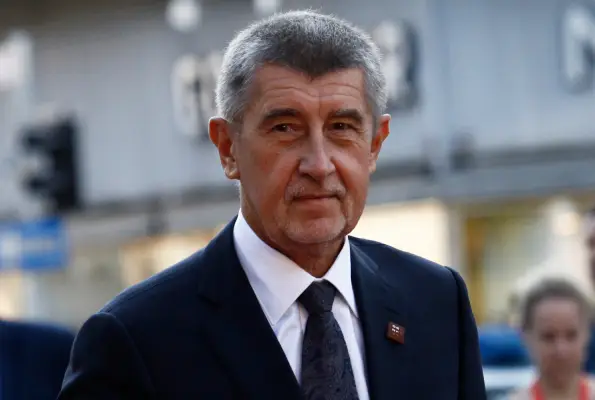
In its recent public interaction, Czech Prime Minister Andrej Babis said that he was in favour of banning the use of social media by children under 15, following the footsteps of the growing number of European countries considering similar restrictions.
Countries such as Spain, Greece, Britain, and France are considering stricter regulations on social media usage due to concerns about its negative effects on children. This discussion follows Australia’s decision in December 2025 to become the first country to ban access to social media platforms for individuals under the age of 16.
“I am in favour because the experts I know say that it is terribly harmful to children. We must protect our children,” PM Andrej Babis said in a regular video message posted on several of his social media accounts on February 8, without giving further details.
Later in the day, the government’s first deputy prime minister, Karel Havlicek, told a television chat show on CNN Prima News that the cabinet was seriously considering proposing a ban.
If it decides to go ahead, Karel Havlicek said legislation would be proposed in 2026.
While Spain and Greece have already proposed bans on social media use by teenagers, across Europe, the stance against kids using technology is getting hardened, with supporters of such a blanket ban calling technology “addictive,” negatively impacting the youngsters’ growth. The measures announced by Spanish Prime Minister Pedro Sanchez, however, drew fury from Elon Musk, the billionaire owner of the X platform (formerly Twitter).
The United Kingdom is considering an Australia-style ban, while France is working through legislation to ban children aged under 15 from social media use. Governments and regulators worldwide are now looking at the impact of children’s screen time on their development and mental well-being.
However, in December 2025, the United Nations Children’s Fund (UNICEF) warned that simply banning access to social media will not protect children and may even be counterproductive. For many children, especially those who are isolated or marginalised, social media is a source of learning, networking, and self-expression, the fund said.