

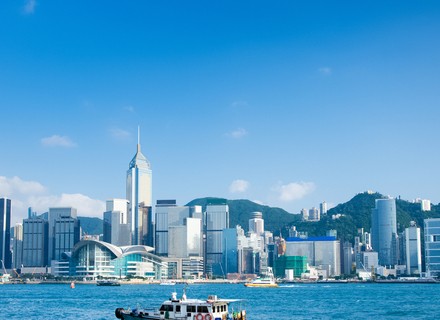
Hong Kong’s property investors are eyeing dated factory buildings for better returns in the wake of the pandemic’s effect, rather than luxury buildings.
It is reported that Industrial property transactions surged in the first two months of this year to HK$2.7 billion. The data is produced by CBRE. The figures represent 73 percent of the amount for all of 2020.
Furthermore, the sale of office and retail properties are faltering. So far, the office transactions stand at HK$1.2 billion, while only a few shops worth HK $926 million are sold. Investors are switching to old industrial buildings instead of flipping street shops or office floors.
Reeves Yan, head of capital markets in Hong Kong at CBRE, told the media, “Industrial properties are the most sought-after real estate in the past few months, after Covid-19 spurred e-commerce that in turn boosted demand for logistics and storage space. It’s mainly because demand for businesses including logistics, cold storage and data centres is very strong during the pandemic.”
According to London-based real estate company Savills, the industrial building delivers a higher return than office or retail properties. The price of an industrial building is expected to surge 5 percent this year.
Hong Kong housed about 1,800 industrial buildings in 2018. The majority of the buildings were built during the 1970s and the 1980s. The government focuses on residential property development to tame housing prices.
The global pandemic has affected the real estate segment like any other segment. However, economies are poised to rebound this year.