

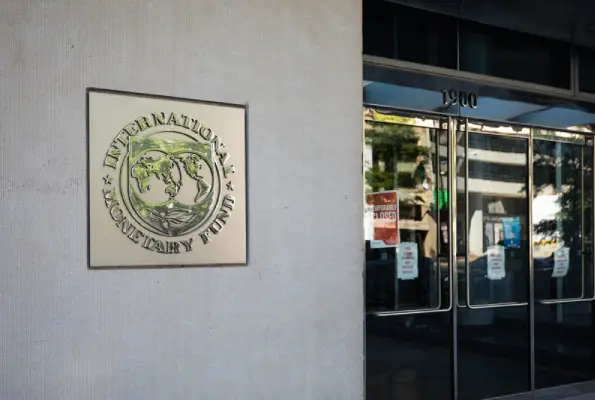
Iraq is seeking financial assistance from the International Monetary Fund (IMF) and the World Bank as the economic fallout from the Iran war continues to pressure the country’s fragile finances and energy-dependent economy.
Iraqi officials reportedly began preliminary discussions with international lenders during the IMF and World Bank spring meetings held in Washington earlier 2026.
The talks come after the closure of the Strait of Hormuz severely disrupted Iraq’s oil exports, which account for nearly all government revenues. The waterway, through which around one-fifth of global crude oil previously flowed, was shut following the escalation of the conflict that began in late February with large-scale US-Israeli strikes on Iran.
According to sources close to the IMF, discussions are ongoing regarding the structure and size of a potential loan package, although officials expect negotiations to move forward more formally once a new Iraqi government is established. Iraqi financial advisers say the country is facing a major budget shortfall as oil revenues decline sharply amid continuing regional instability.
The IMF has warned that multiple countries affected by the Middle East conflict may require emergency financial support due to rising energy prices, supply chain disruptions, and slowing economic growth. IMF Managing Director Kristalina Georgieva previously indicated that global demand for assistance linked to the crisis could range between USD 20 billion and USD 50 billion.
Iraq, which holds the world’s fifth-largest oil reserves, remains heavily dependent on crude exports despite years of efforts to diversify the economy. The country’s last major IMF arrangement was a USD 3.8 billion standby agreement that expired in 2019, with Iraq still owing the IMF approximately USD 2.39 billion.
Analysts say the latest crisis highlights Iraq’s continued vulnerability to geopolitical shocks and oil market disruptions, particularly as regional conflicts increasingly threaten critical energy infrastructure and trade routes across the Middle East.