

Ongoing conflicts in Iran and Ukraine, along with El Nino, are about to put the world on the verge of another bout of food inflation, with Maximo Torero, chief economist of the United Nations Food and Agriculture Organization issuing latest warning about higher costs and lower crop yields.
Torero, drawing a parallel with the 2022 global inflation surge, said food prices were a key driver of the surge back then. In 2026, while the phenomenon has been relatively benign so far, the calm will be a temporary one.
He sees higher crude oil prices, the loss of fertiliser from the Gulf region, the shortage of diesel in some corners of the world and extreme weather are all feeding through to costs and showing up in consumer prices, even if with a delay.
“I expect that commodity prices will start to increase more now … and food prices will start increasing by the end of the year, and next year for sure they will increase more. The transmission from the commodity to the final food price is around three to six months,” Torero told Reuters in an interview.
“Although some commodity prices, such as wheat, maize and rice, have increased in recent months, most still reflect relatively good harvests, rather than likely difficulties in the coming year. The Strait of Hormuz is a problem that affects all the inputs of agricultural commodities and systems. Brent oil, because it’s used for pumping, packaging, processing, and transportation. And natural gas because it’s used for fertilisers,” the senior analysts remarked.
The damage inflicted by Ukraine’s relentless drone waves on Russia’s oil and gas infrastructure has curtailed the export market for diesel and natural gas, both the key inputs in food production.
Since commodity prices are global, this inflicts pain across the world, even if richer countries have more cash to buffer producers.
“You’re hearing this in Europe, in the US, in Brazil, and in Asia. Tight margins are putting stress on planting decisions,” Torero said.
Agreeing with Torero, industry lobby group the American Farm Bureau Federation said, “even in the US, which is self-sufficient for most key inputs, without federal assistance farmers growing nine principal crops may lose USD 32 billion in 2027. On a per-acre basis, every crop analysed is projected to remain below breakeven in 2027.”
“Global wheat and corn planting was already cut in the first three months of the Iran war and some American producers have shifted to soybeans, because they require lower fertilizer inputs,” the lobby group noted further.
Australia, one of the world’s top crop exporters, recently said that winter crop production is seen down by 21% in part because of a significant increase in both fuel and fertiliser prices and uncertainty over the availability of key inputs.
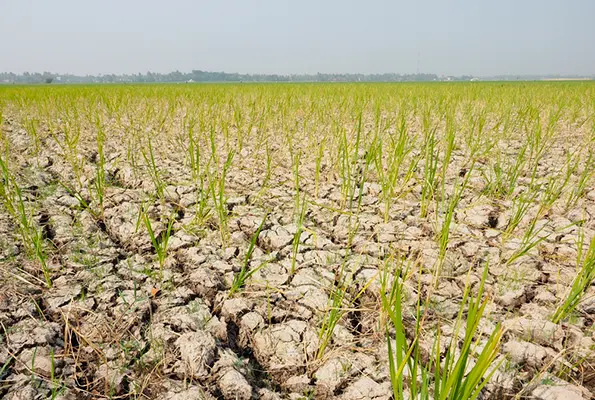
El Nino weather phenomenon, in 2026, is likely to be especially strong, significantly shifting rainfall patterns, likely impacting commodity prices and potentially pushing tens of millions into acute food insecurity.