

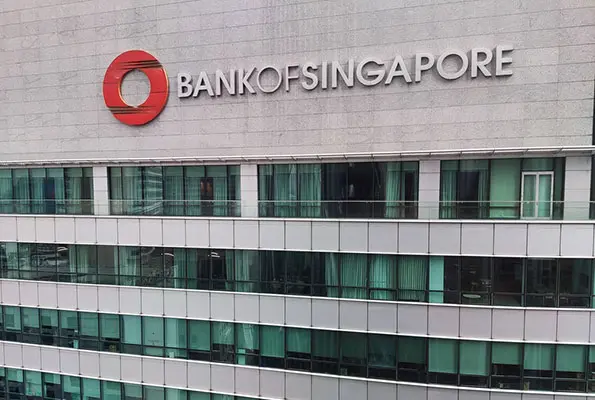
Bank of Singapore, the private banking arm of Overseas-Chinese Banking Corp, has rolled out an agentic AI platform that will cut new account opening times for wealth management clients down to 15 business days from more than 30.
The platform, named HELIOS, will help Bank of Singapore streamline due diligence processes as well as credit risk profiles for new clients.
Roughly 25%, or more than 100, of the bank’s relationship managers have reportedly begun using the platform over the past five months across the bank’s Singapore, Hong Kong, and Dubai offices.
Jason Moo, Bank of Singapore’s CEO, said that roughly 50 clients have been fully onboarded through the platform, taking the high-net-worth (HNW) and ultra-high-net-worth (UHNW) segments together.
As per Moo, the roll-out of the cutting-edge technology across the Bank of Singapore’s rank and files is expected to be completed by the third quarter of this year and will be extended to OCBC’s “Premier Private Client Customer” segment by the 2026 end.
“This platform is really to grow and enhance and boost client onboarding, and in turn, therefore, create business growth,” said Loretta Yuen, OCBC’s head of group legal and compliance.
OCBC’s larger peer DBS has also announced enhanced generative AI and agentic AI capabilities for its AI-enabled virtual assistants, which will reach over 10 million users across Singapore, Hong Kong, and Taiwan.
The venture reportedly has onboarded 20% more new HNW and UHNW clients in the first five months of this year, apart from reducing overall onboarding turnaround time by 50% with the AI’s help.
The AI-first actions of the Bank of Singapore and DBS come after the May 2026 instruction of the Singapore’s financial regulator, that had asked private banks to reduce the time clients wait to open accounts, as authorities seek to reinforce the city-state’s position in global wealth management hub after major money-laundering cases added to delays.
The Monetary Authority of Singapore (MAS) said banks should cut account opening times to within one month by the 2026-end, compared with a current average of six weeks or more.