

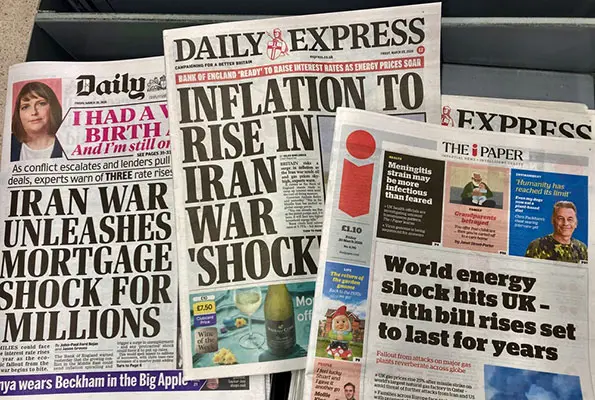
The two-day meeting, which brought together finance ministers and central bank governors from G20 member nations, along with representatives of invited countries and heads of international financial institutions, took place against the backdrop of a renewed flare-up in the military conflict between the United States and Iran, following the collapse of an agreed-upon ceasefire a couple of months ago.
During a session called “Current Economic Developments,” Al-Jadaan said that recent events, like the Iran war, have shown that having alternative production options, enough supplies, and infrastructure with extra capacity is crucial for protecting the economy from future problems.
In another session entitled “Growth,” Al-Jadaan emphasised the importance of strengthening the capacity of economies to achieve strong and sustainable growth over the long term, while mentioning that the degree of constraints differs across economies and evolves as they develop.
The Saudi finance minister stressed the need to identify the most binding constraints at each stage and adapt policy responses accordingly.
Al-Jadaan also took part in another G20 session called the “Global Imbalances,” where he made mention of external surpluses and deficits reflecting different economic conditions and structures between countries.
“Effective addressing of global imbalances requires looking beyond trade flows, including domestic financial and economic conditions and the structural factors that cause them,” he noted.
The topic called debt was also found mentioned in Al-Jadaan’s speech.
“Creating a stronger international system to tackle debt issues isn’t just about handling crises in vulnerable countries; it also means reducing unnecessary borrowing that doesn’t lead to sustainable economic growth,” he said, adding that helping countries better understand their financing needs and manage their debt is crucial to preventing liquidity problems from escalating into bigger crises.
It was a productive visit for Al-Jadaan, as on the sidelines of the meeting, he held several bilateral meetings with counterparts from participating countries, as well as senior officials from international financial institutions.
The discussions covered global economic trends, financial issues of mutual interest, and opportunities to strengthen cooperation and exchange expertise across economic and financial fields.