

Egypt’s net foreign exchange reserves exceeded USD 55 billion for the first time at the end of June 2026, marking a record high for the country as the government pointed to improving macroeconomic stability. However, economists cautioned that the milestone has yet to translate into meaningful relief for households grappling with high living costs.
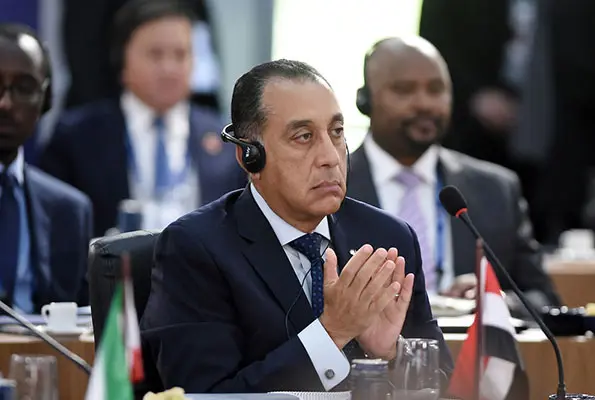
Prime Minister Mostafa Madbouly, citing Central Bank of Egypt data, said reserves rose by about USD 2 billion in a single month, describing the increase as evidence of continued economic stability and stronger financial resilience.
Despite the positive headline figure, Madbouly acknowledged that ordinary Egyptians had yet to experience the benefits of improving economic indicators. While inflation has been easing, consumers continue to face elevated prices, prompting President Abdel Fattah El Sisi to order a committee to prepare measures aimed at stabilizing prices, ensuring the availability of essential goods, and tackling profiteering.
The government has launched similar initiatives in the past with limited success, while renewed geopolitical tensions in the Middle East have complicated efforts to contain inflation. Higher global oil prices, driven by the escalating US-Iran conflict, have increased Egypt’s import bill and added pressure on public finances.
Madbouly defended the government’s decision to retain fuel price increases introduced in March, saying recent volatility in crude prices vindicated a cautious approach.
Economists said the record reserves reflect a deliberate policy of allowing the Egyptian pound to absorb external shocks instead of spending reserves to defend the currency. They noted that Gulf deposits at the central bank have also strengthened Egypt’s external buffers.
However, underlying economic challenges remain significant. Egypt’s current account deficit more than doubled to USD 5.1 billion in the first quarter from USD 2.3 billion a year earlier, while total public debt climbed to USD 164.8 billion by the end of March. According to the International Monetary Fund, debt servicing consumes about 83 percent of the country’s tax revenue.
There are, nevertheless, signs of improvement. Foreign direct investment rose by about one-third to USD 13 billion during the first nine months of the fiscal year, remittances increased by more than 30%, and Egypt’s benchmark stock index has gained around 25%. A staff-level agreement with the IMF could also unlock about USD 1.6 billion in additional funding.
Analysts warned, however, that persistent geopolitical uncertainty and elevated oil prices could keep inflationary pressures alive, limiting the central bank’s room to cut its benchmark interest rate, currently held at 19%, and delaying broader economic relief for consumers.